

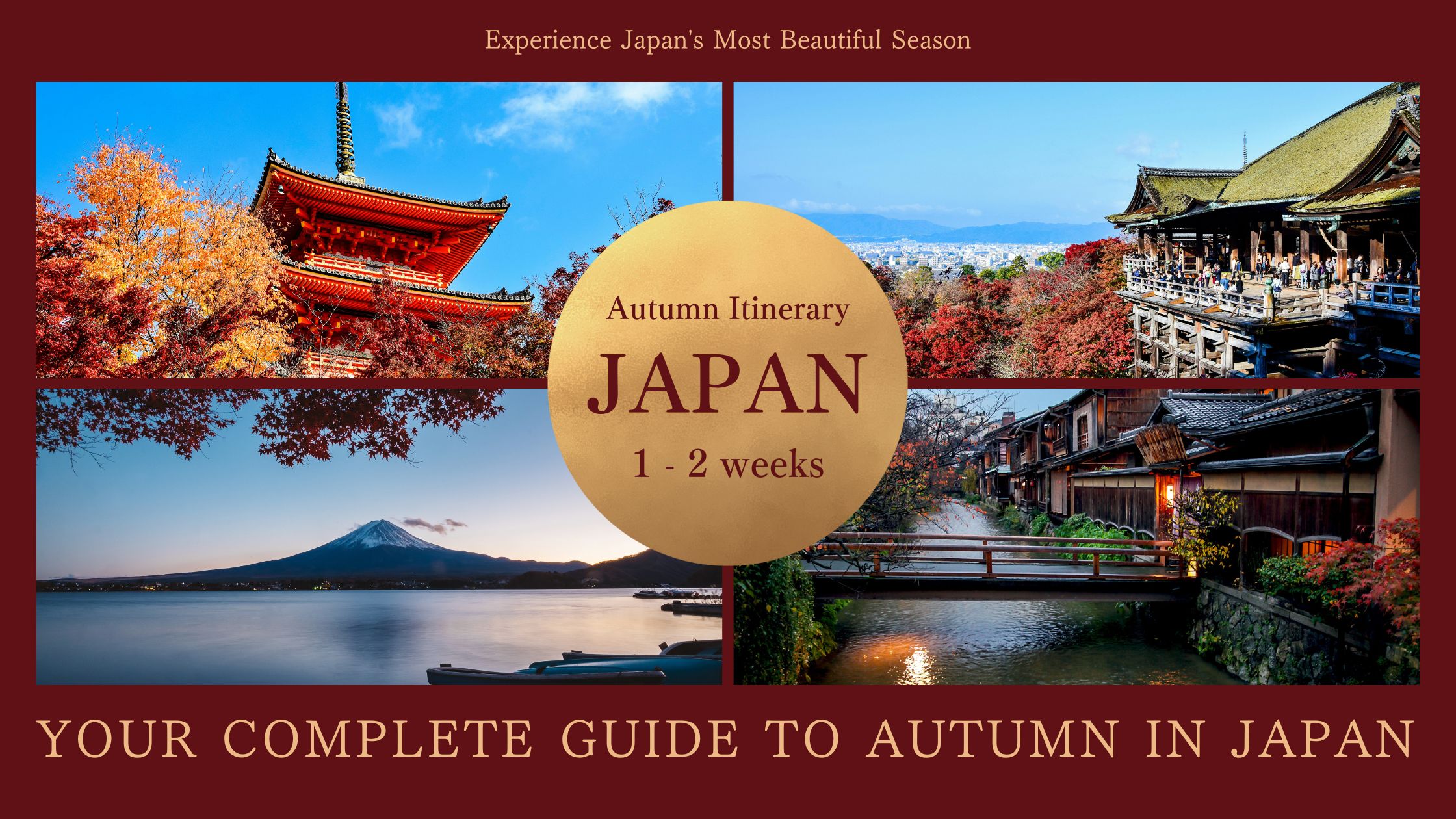
Japan Fall Foliage Travel Guide with personal tips & crowd-avoidance tactics
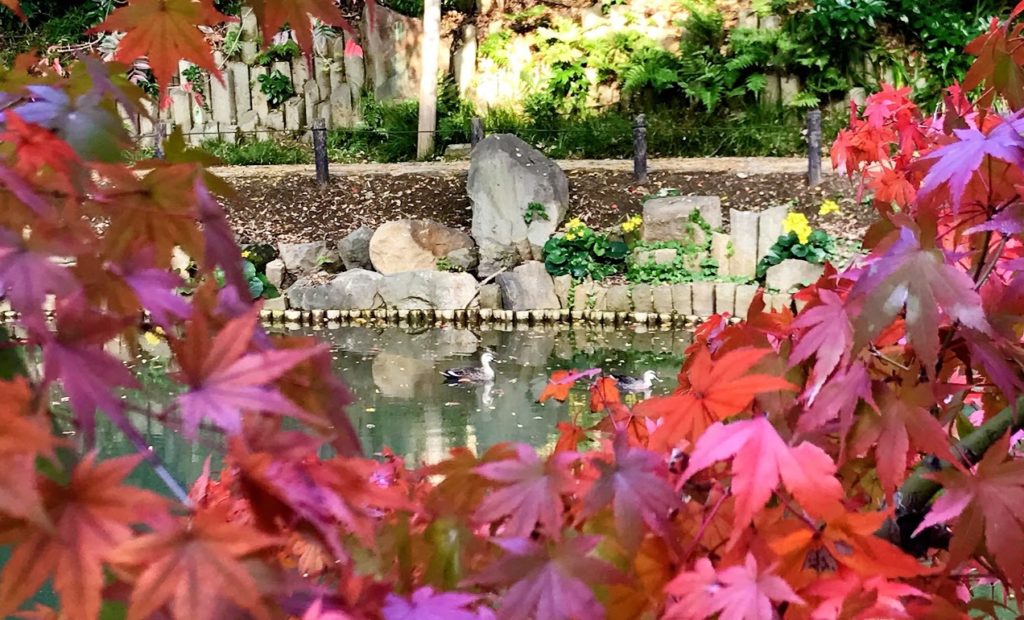
If you’re wondering when and where to see autumn leaves in Japan, here’s the short answer: colors start in Hokkaido from late September, then drift south, usually peaking in Tokyo mid–late November and in Kyoto/Osaka late November–early December. That long, gentle wave is why fall here feels like a moving festival 🍁
Autumn has always been my favorite season in Japan. When friends ask when to visit, I usually steer them toward spring’s cherry blossoms or autumn’s koyo—the fall foliage season—because the light and colors feel cinematic. I still remember stepping out of a quiet Kyoto lane at golden hour, temple bells ringing, and the whole hillside suddenly glowing red. Even if you’ve been to Japan before, autumn makes familiar places feel brand-new.
This 7-day itinerary focuses on easy train connections, gentle hikes, and photogenic spots you can actually enjoy without the crowds.
When to See Autumn Leaves in Japan
| Region | Typical Best Time |
|---|---|
| Hokkaido | Late September – Mid October |
| Tokyo | Mid – Late November |
| Kyoto & Osaka | Late November – Early December |
Tip: Book stays with free cancellation if your dates sit on the edge of these windows. A 1–2 week shift can make a big difference.
1 Week/7 days Japan Autumn Itinerary
Day 1: Tokyo – Northern Gardens & Meiji Jingu Gaien Gingko Avenue
Morning: Rikugien Garden (六義園)
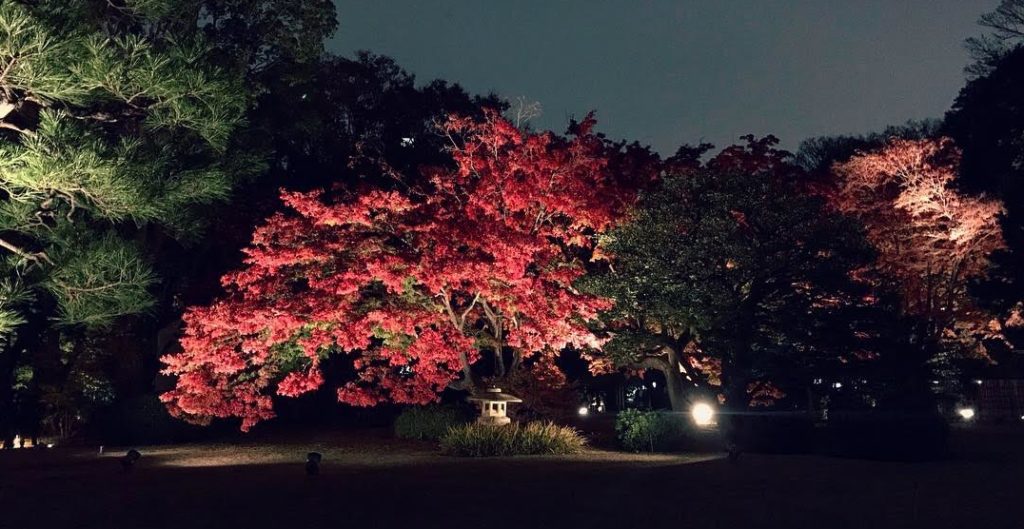
A classic stroll garden where maples turn vivid crimson. If there’s an evening light-up, go—pond reflections double the color.
My note: I bring a small scarf and hand warmer for lingering by the water after sunset.
Afternoon: University of Tokyo Gingko Avenue / Meiji Jingu Gaien
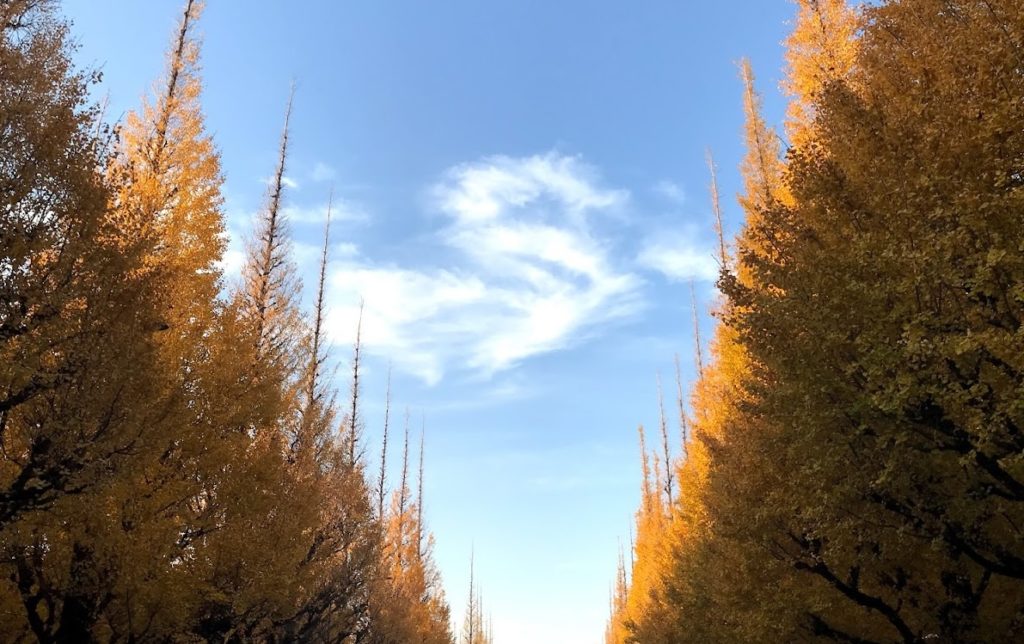
Golden tunnels of ginkgo—so cinematic. It’s hugely popular with locals (me included), so arrive just after lunch when the sun angles through the leaves and everything glows.
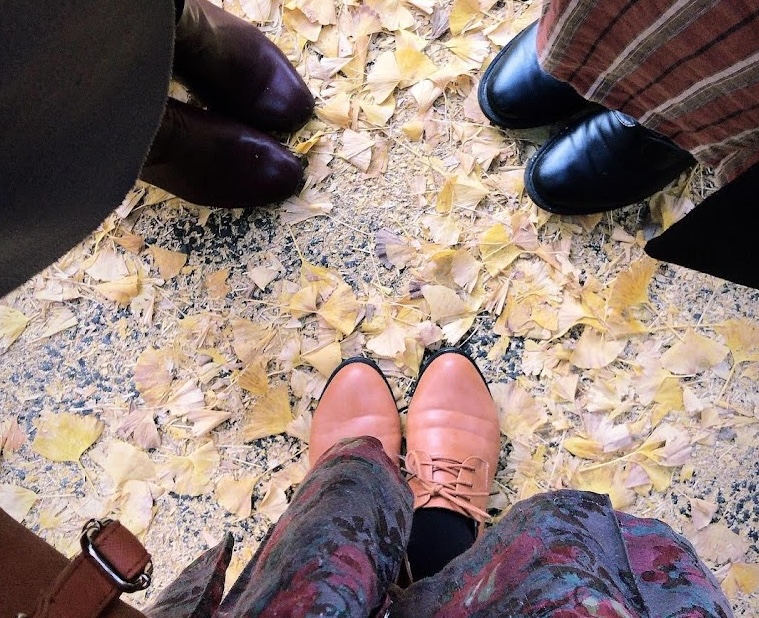
Evening snack: Yakiimo (roasted sweet potato) from a street stall—simple, sweet, and soul-warming. It’s naturally vegan, and my friends couldn’t get enough of it.
Day 2: Tokyo Day Hike – Mount Takao (高尾山)
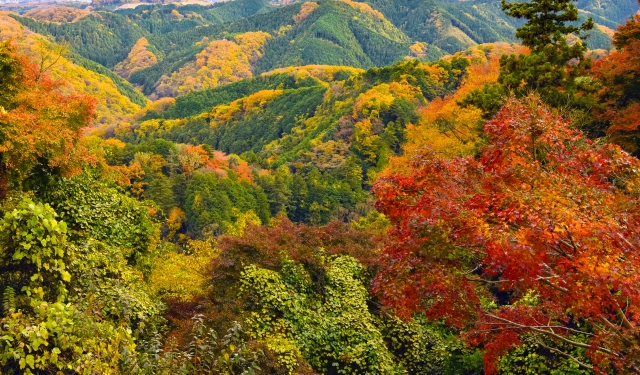
Getting there: ~1 hr from Shinjuku (Keio Line).
Why go: Gentle trails, temple halls, and broad views. On clear days, Fuji peeks over a quilt of red hills.
Best time: Start before 8:30 to beat crowds; descend by cable car if your legs get tired.
My note: I pack onigiri and a thermos—lunch with views tastes better. But they also sell nice Dango mochi – made with rice and some of them are vegan.
Day 3: Tokyo → Nikko – Waterfalls & Lakes
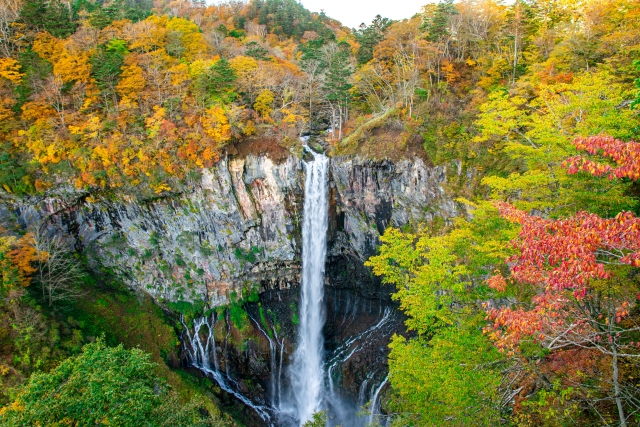
Transport: Asakusa (Tobu Line) → Tobu-Nikko (~2 hrs).
Kegon Falls (華厳の滝): The lookout frames the waterfall with layered color; mist plus maples = instant desktop wallpaper.
My note: A warm canned coffee from the platform vending machine is peak autumn comfort. Don’t worry if you forget a drink—vending machines are everywhere in Japan.
Stay: Near Tobu-Nikko Station or up at Lake Chuzenji if you want a quieter night.
Day 4: Nikko – Lake Chuzenji (中禅寺湖) & Irohazaka
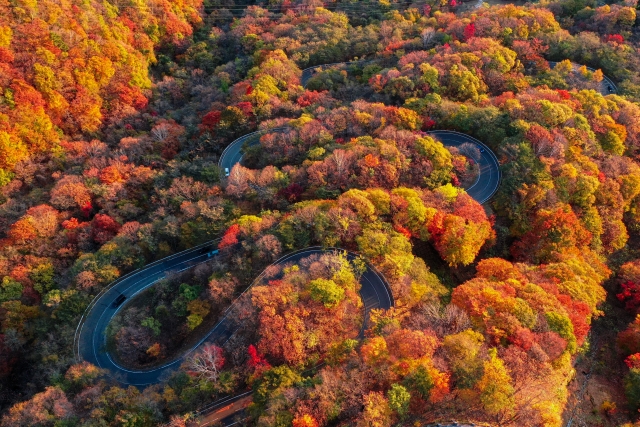
Lake loop: Walk the lakeside boardwalk or take a short cruise—mirror-calm mornings are best for foliage reflections.
Add-on: Akechidaira Ropeway for sweeping views across the switchbacks.
Return to Tokyo in the evening, or take a late train toward Kyoto (overnight in Tokyo is simpler).
Optional Detour: Hakone (1 day / overnight between Tokyo & Kyoto)
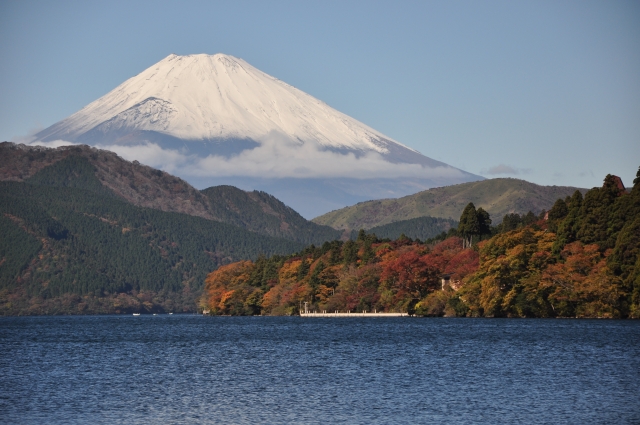
If you’d rather trade waterfalls for hot springs, Hakone makes a gentle detour. I take the Odakyu Romancecar to Hakone-Yumoto in the morning, drift across Lake Ashi at noon, then ride the Hakone Ropeway for sweeping autumn views (late Oct–mid Nov is gorgeous). You can also peer into Ōwakudani, an active volcanic valley with drifting steam. If it rains, the Hakone Open-Air Museum is my cozy fallback. Staying at an onsen ryokan turns the crisp air into a blessing—the view of crimson leaves from an open-air bath is breathtaking and easily one of my favorite things to do in autumn.
Logistics: Tokyo → Hakone-Yumoto / Odawara; next day Odawara → Kyoto (or back to Tokyo).
Note: Swap this for Nikko if you prefer onsen over waterfalls, or keep the original plan and save Hakone for a future trip.
Day 5: Kyoto – East Side Icons
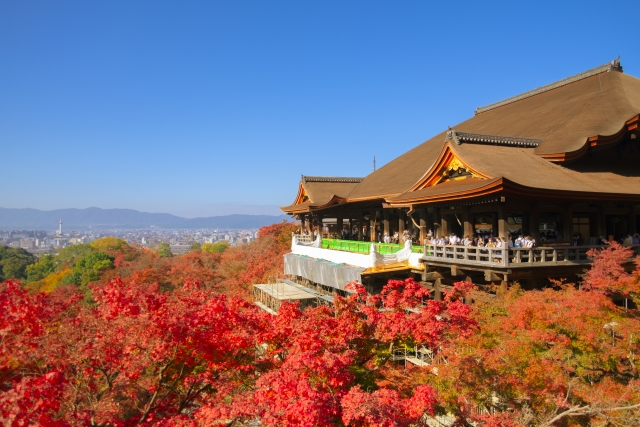
Kiyomizudera (清水寺): Go right at opening – to avoid crowds. The hillside of red maples below the main hall looks painted on.
Sannenzaka/Ninenzaka lanes: Stop for yatsuhashi and tea – Matcha in Kyoro is so good! (recommended for souvenirs too)
Evening: Tofukuji (東福寺) light-up (if running): The view from Tsutenkyo Bridge over a sea of scarlet is unforgettable.
My note: I wear low-key colors so I don’t reflect into glass and water shots.
Day 6: Kyoto – Arashiyama & Riverside Glow
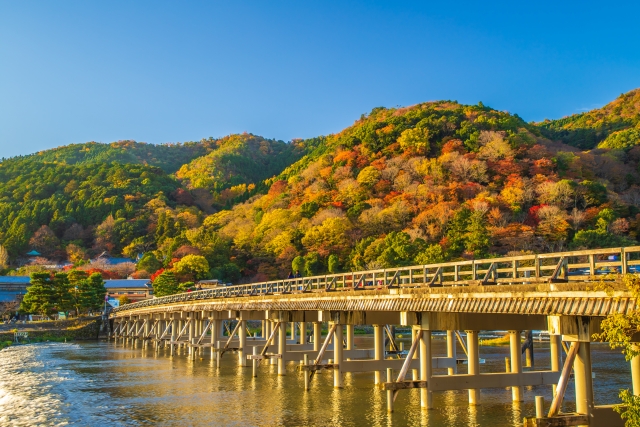
Morning: Arashiyama Bamboo Grove before 7:30—quiet, soft light.
Late morning–afternoon: Togetsukyo Bridge & riverside; rent a small boat if winds are calm.
Optional temple: Gio-ji moss temple—tiny, dreamy, less crowded.
Food moment: Kuri gohan (chestnut rice) at a local eatery; autumn in a bowl. Also, I found Kyoto is quite vegan friendly!
Day 7: Osaka or Nara – Choose Your Finale
Option A: Osaka – Minoo Park (箕面公園)
About 30 minutes from Umeda, this easy riverside trail leads to a waterfall framed by red maples. Try momiji tempura (crispy maple leaves!)—novel and surprisingly good. And don’t leave Osaka without takoyaki or okonomiyaki—they’re true soul foods here.
Option B: Nara – Nara Park (奈良公園)
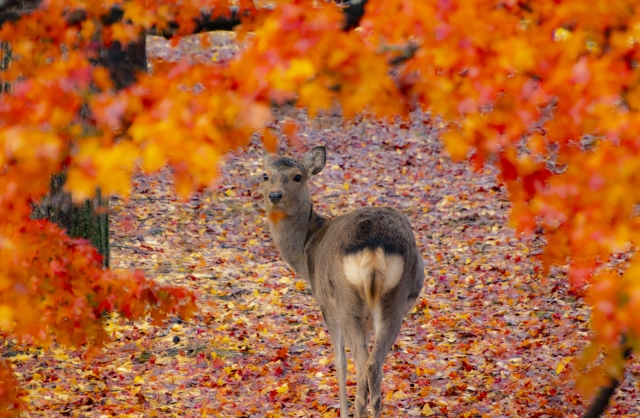
Deer, temples, and broad lawns scattered with amber leaves. Yes, the TikTok-famous deer are here—bow politely and some may bow back. Sunset on Wakakusa Hill brings a mellow view over the city.
Evening: Fly out of Osaka (KIX) or take a late train back to Tokyo if needed.
Must visit Japan in Autumn – if You Have More Time (10 days – 2 Weeks)
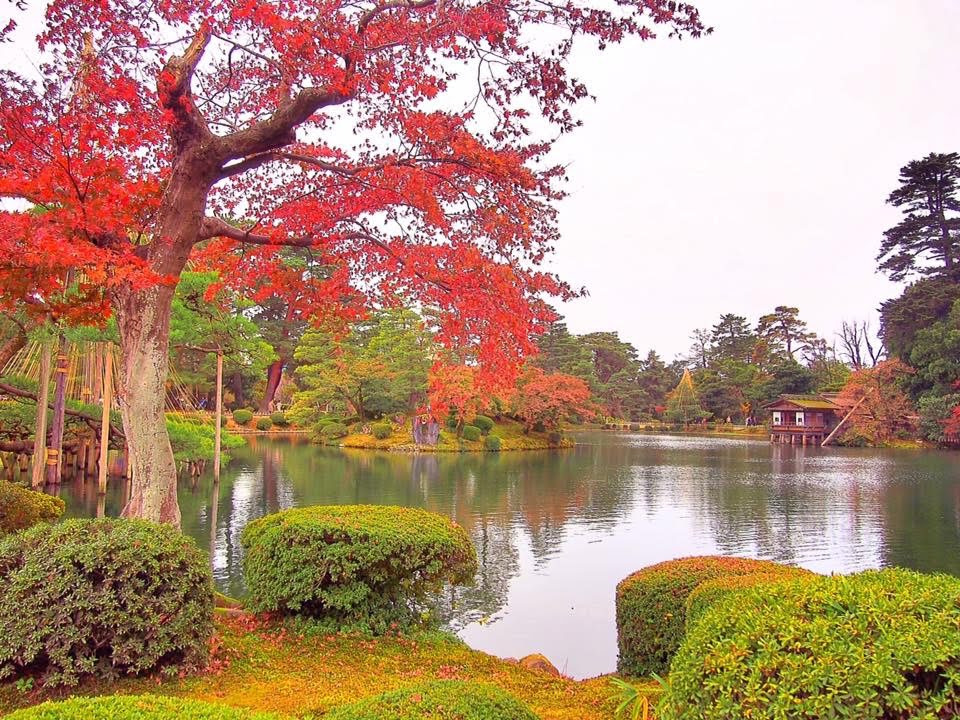
- Kanazawa — Kenrokuen: One of Japan’s top three gardens; arched bridges, stone lanterns, and mirror-calm ponds reflecting autumn color.
- Hiroshima & Miyajima: Postcard-perfect views where autumn frames the floating torii (shrine gate).
- Kyushu — Yufuin & Mount Aso: Hot springs plus rolling grasslands—autumn colors and onsen steam make a cozy combo.
- Hakone (Onsen + Lake Ashi): An easy detour between Tokyo and Kyoto; late Oct–mid Nov is prime.
- Gifu Loop (Takayama, Shirakawa-go, Gujo, Gero): Base in Takayama’s Edo-era streets, then fan out to river towns, castles, and hot-spring stays (2–3 days total).
Optional Extension: Gifu Mini-Loop (2–3 days: Takayama, Shirakawa-go, Gujo, Gero)
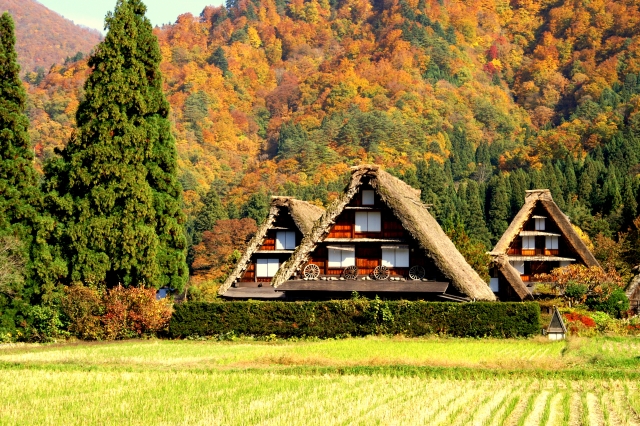
Base yourself in Takayama’s old town, where maple reds lean over cedar-dark facades. Day-trip to Shirakawa-go for gassho-roof villages wrapped in autumn hills, then follow the river to Gujo Hachiman, whose little castle often floats above morning mist. If you’re craving a pause, slide down to Gero Onsen for a slow, steamy finale before looping back via Nagoya.
Route: Kyoto/Osaka → Nagoya (Shinkansen) → Takayama (Ltd. Express “Hida”); bus to Shirakawa-go; continue to Gujo / Gero → return via Nagoya.
Note: Public transport works but can be sparse—renting a car makes this loop smoother if you’re comfortable driving 🚗
Hidden Gems for Foliage Lovers
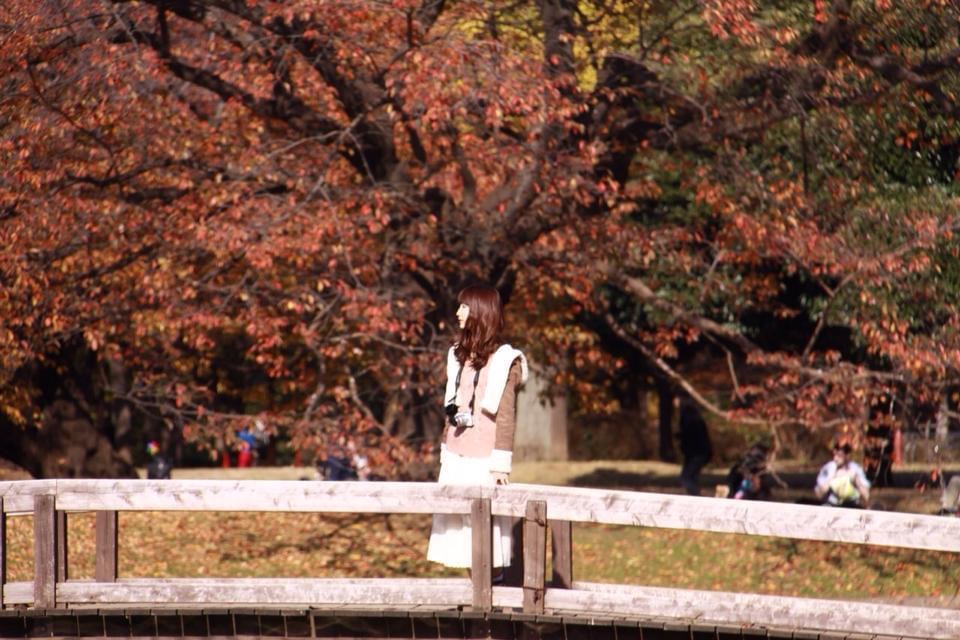
If you have extra time, lucky you. The headline spots can be crowded, but these quieter places are where you’ll often share the trails with locals. If crowds aren’t your thing, add these to your list:
Kanto & Chubu
- Nagatoro (Saitama): River boats glide beneath fiery cliffs; weekdays feel wonderfully slow.
- Karuizawa — Kumoba Pond (Nagano): Mirror-like reflections and easy boardwalk; best in late Oct–early Nov.
- Nishizawa Gorge (Yamanashi): Turquoise pools and a chain of waterfalls—bring grippy shoes; usually good late Oct–mid Nov.
- Okutama (Tokyo): Lake views and Hatonosu Ravine; crowd-light alternative around mid–late Nov.
- Kurobe Gorge (Toyama): Little “torokko” train through blazing valleys; prime late Oct–mid Nov.
Tohoku & Hokkaido (Northern Japan)
- Oirase Gorge (Aomori): Ferns, gentle cascades, and a leaf-strewn path—pack traction.
- Naruko Gorge (Miyagi): Dramatic V-shaped canyon and bridges; usually late Oct–early Nov.
- Yamadera (Yamagata): Cliffside temple with 1,000 steps and crimson maples; aim for late Oct–mid Nov.
- Dakigaeri Gorge (Akita): Electric-blue river under red canopies—photogenic footbridges.
- Daisetsuzan (Hokkaido) — Kurodake/Sounkyo: Japan’s earliest colors, often mid–late Sep at higher elevation.
Kansai & Chugoku
- Mount Daisen (Tottori): The “Fuji of the West”; broadleaf forests glow in late Oct–early Nov.
- Sandankyo Gorge (Hiroshima): Quiet boats into a mossy canyon—great late Oct–mid Nov.
- Koyasan (Wakayama): Cedar woods, lantern-lit paths, and pockets of scarlet—peaceful at dawn/dusk.
Shikoku
- Iya Valley & Vine Bridges (Tokushima): Misty ravines and vine-span bridges; colors peak late Oct–mid Nov.
- Kankakei Gorge (Shodoshima, Kagawa): Ropeway over patchwork hills; sunsets are dreamy.
- Ritsurin Garden (Takamatsu, Kagawa): Classic garden scenes with calm ponds and lit-up maples in Nov.
Kyushu
- Kuju Mountains (Oita/Kumamoto): Rolling highlands with big skies; often late Oct–early Nov.
- Yabakei Gorge (Oita): Stone bridges and layered cliffs—go on weekdays.
- Kurokawa Onsen (Kumamoto): Riverside rotenburo ringed by color; low-light evenings are magical.
Travel Tips for Autumn in Japan
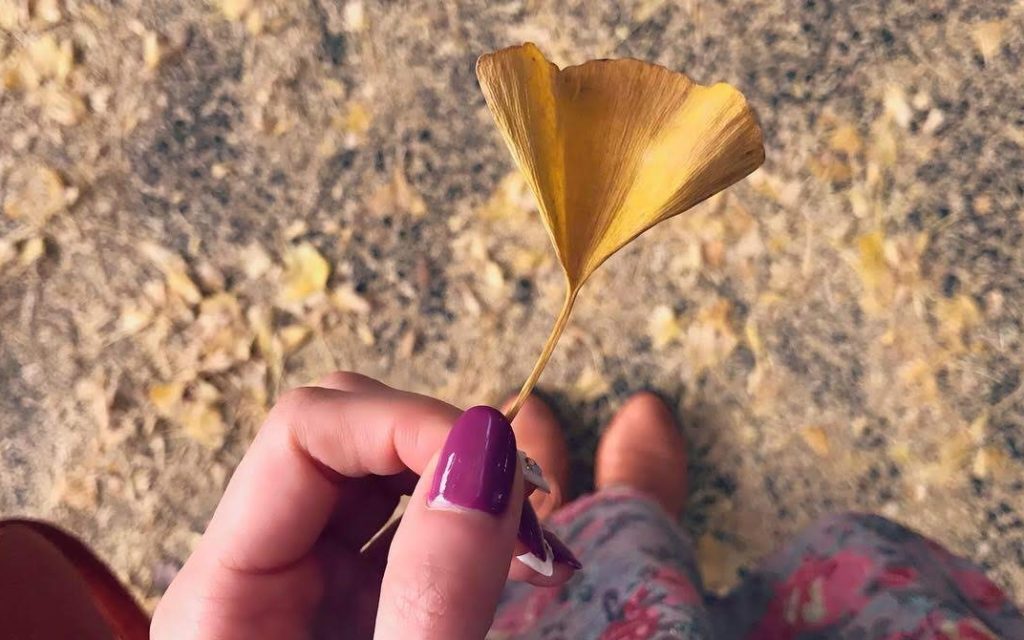
Plan for shorter daylight, bigger day–night temperature swings, and busy weekends. The notes below keep your trip smooth—even in peak foliage weeks.
Timing & Crowds
- Go early / go weekday. Arrive at opening; save headline temples for Mon–Thu.
- Light-up events: Many require timed tickets—book ahead; expect lines 20–40 min.
- Holiday spikes: Crowds surge around early Nov (Culture Day) and late Nov (Labor Thanksgiving).
- Photo windows: Gardens at opening, waterfalls morning, temples late afternoon, blue hour for light-ups.
Transport
- IC cards (Suica/PASMO/ICOCA): Add to Apple/Google Wallet or buy a physical card; tap-in/tap-out on trains, subways, and many buses. Top up at machines or conbini.
- Rail passes: Worth it only if you’ll take multiple long Shinkansen hops within 7–14 days; otherwise buy point-to-point. Reserve seats for weekends.
- Simple routing: For city transfers, aim for one-transfer routes even if 10–15 min longer—less platform stress.
Weather & Packing
- Layering is key. Light down or fleece, scarf, compact rain shell, and water-resistant sneakers.
- Evening chill: Temple light-ups feel colder—pack thin gloves and a pocket warmer.
- Daylight: Late November gives ~10 hrs of light; plan indoor options for late afternoons.
Luggage & Lockers
- Takkyubin (luggage forwarding): Ship your big suitcase same/next day between hotels; ask your hotel or a convenience store counter. Travel with a daypack only.
- Coin lockers: Common at major stations; oversize storage desks exist when lockers fill up.
Money & Connectivity
- Cards + a little cash. Credit cards work widely, but small shops may be cash-only—carry some yen.
- ATMs: 7-Eleven and Japan Post ATMs usually accept foreign cards.
- Data: eSIM or pocket Wi-Fi both work; download offline maps before rural days.
Etiquette (Temples, Trails, Onsen)
- Temples: Keep voices low, don’t block narrow paths, follow one-way routes; no tripods or flash where posted.
- Trails: Stay on paths; leaves and moss are slippery—grippy shoes help.
- Onsen basics: Rinse before entering, no swimsuits, hair up, phones away. Some baths restrict tattoos—check policies in advance.
Practical Smarts
- Trash: Bins are scarce—carry a small trash bag.
- Smoking: Use designated areas only.
- Escalators: Stand left in Tokyo, right in Osaka (local custom).
- Vending machines: Hot drinks on platforms are a reliable warm-up between trains.
Quick phrase help:
- “Sumimasen, English menu arimasu ka?” (Do you have an English menu?)
- “Dashi nashi onegai shimasu.” (Please, no fish stock.)
- “Seiri-ken wa doko desu ka?” (Where do I get a timed/numbered ticket?)
Seasonal Autumn Food to Try in Japan
Are you a foodie? Same here. Japan ranges from $1 conbini (convenience store) snacks to $500 splurge-worthy kaiseki, so you don’t have to blow your budget to eat well. Cheap doesn’t mean bad here—fast-casual chains and convenience stores are genuinely tasty, and trying them can be part of the fun. Yes, luxe sushi is unforgettable if you love it, but affordable options will still make your trip delicious. (This is also why so many tourists miss conbini when they leave Japan—well, me too!)
* I put 🌱 emoji when it’s usually vegan, but they might not be vegan depending on shops, so please always check with staff!
Autumn Essentials
- 🌱🌰 Kuri gohan (chestnut rice): Nutty-sweet chestnuts folded into new-crop rice—pure autumn comfort.
- 🌱🍄 Matsutake dishes: Grilled or in dobin-mushi (brothy teapot soup); the aroma is the star.
- 🌱🍠 Yakiimo (roasted sweet potato): Sweet and steaming; often sold from carts or conbini.
- 🍁 Momiji manju (Hiroshima): Maple-leaf cakes filled with red bean or custard; great with tea.
- ♨️ Oden: Gentle hotpot of daikon, tofu, eggs, and fish cakes—perfect on chilly nights, I love it!
More Seasonal Favorites
- 🐟 Sanma shioyaki (grilled Pacific saury): Autumn fish with crisp skin and bright grated daikon.
- 🌱🌾 Shinmai (new-crop rice): Fragrant, slightly sticky—look for labels in supermarkets.
- 🌱🎃 Kabocha tempura: Sweet Japanese pumpkin in airy batter; great with a pinch of salt.
- 🌱🍄Kinoko rice (takikomi gohan): Mixed-rice cooked with mushrooms and soy-dashi.
- 🍲 Kiritanpo nabe (Akita): Toasted rice sticks in chicken-mushroom broth—hearty and regional.
- 🌱🫘 Yudofu (Kyoto): Silky tofu in light kelp broth; quietly luxurious.
- 🦪 Hiroshima oysters (late autumn–winter): Plump and briny—try grilled or in hotpot.
- 🌱🍜 Shinshu soba (Nagano): Freshly milled buckwheat noodles; simple and aromatic.
- 🐮 Hida beef (Gifu): Marbled and tender—splurge on a small portion if you’re curious.
- 🌱🍊 Persimmon (kaki): Crisp-firm or jelly-soft; markets are full of them in autumn.
- 🥧 Apple pies & cider (Aomori/Nagano): Peak season fruit done right.
- 🌱🍵 Houjicha or matcha lattes: Roasty or grassy—both cozy choices for a midday warm-up.
Conbini & Market Tips
- Autumn conbini picks: Cups of oden, hot corn soup or canned coffee, sweet-potato desserts, seasonal onigiri.
- Budget bites: Standing sushi bars, udon shops, and curry chains deliver quality from ~¥500–¥1,000.
- Warm-up ritual: Vending machines are everywhere—grab a hot can on platforms between trains.
Notes for Different Diets
- Vegetarian-friendly: Yakiimo, persimmon, kabocha tempura (ask to avoid dashi), plain onigiri like salt/umeboshi, yudofu.
- Vegan-aware: Many soups use dashi (fish stock). Ask for dashi nashi (no fish stock) where possible.
- Gluten hints: Soba is often mixed; look for 100% buckwheat (juwari soba) if you need it.
Quick Planner (At-a-Glance)
| Item | Quick Take |
|---|---|
| 7-day flow | Tokyo (2) → Nikko /Hakone/Gifu(2) → Kyoto (2) → Osaka/Nara (1) |
| Best photo windows | Gardens = opening Waterfalls & lakes = morning Temples = late afternoon Light-ups = blue hour |
| Switches | Forecasts late → move Osaka/Nara earlier Nikko off-peak → swap Hakone Early colors → add Kanazawa or Takayama (Gifu) |
FAQ for Traveling in Japan in Autumn
Tokyo: usually mid–late Nov. Kyoto: late Nov–early Dec. It shifts year to year by ~1–2 weeks.
Only if you plan several long intercity rides within a short window. Otherwise, point-to-point tickets + IC card are fine.
Try Mount Takao on clear days, or Lake Kawaguchi as a dedicated side trip.
Popular ones often require timed tickets—book online when possible.


